

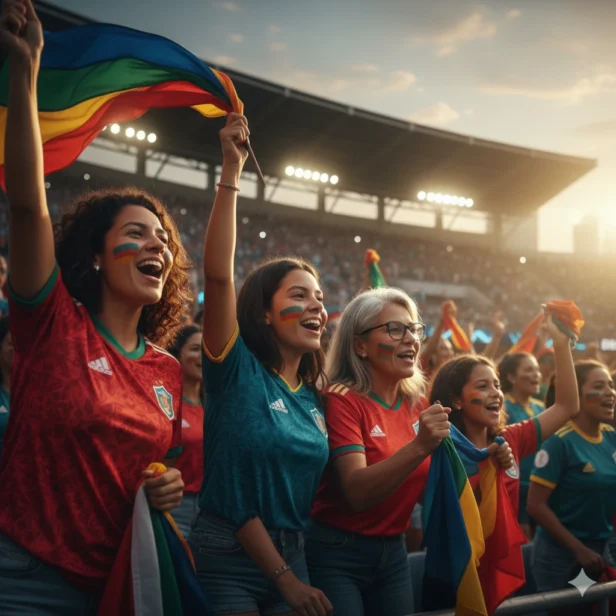
Women’s football in South America has moved from the margins to the center of regional attention. Stadium attendance is rising, broadcast quality has improved, and clubs are investing with long-term intent rather than symbolic gestures. These changes are reshaping how fans engage with the game across the continent.
For broadcasters like website CONMEBOL TV, this growth is not just a social milestone. It represents a structural shift in football consumption, audience behavior, and content expectations. Fans are no longer asking whether women’s competitions matter; they are asking how to follow them more closely.
Understanding this evolution helps explain why women’s football is becoming a permanent fixture in South America’s football ecosystem. It also clarifies what viewers can expect from coverage in the coming seasons.
A New Era for Women’s Football in South America
Over the past decade, women’s football in South America has undergone a measurable transformation. National federations have introduced professional league requirements, youth development pathways, and clearer competition calendars. These steps have created stability that did not exist before.
Countries like Brazil, Colombia, and Argentina have led the shift, but smaller federations are following. Clubs are now required to support women’s teams to participate in continental competitions. This policy has accelerated investment and forced structural change at the club level.
Why Audience Demand Is Growing Faster Than Expected
The rise in viewership has surprised even optimistic observers. Fans who once followed only men’s competitions are now actively tracking women’s tournaments. This growth is tied to accessibility, storytelling, and improved production quality.
Digital platforms have played a role in this expansion. As fans consume football alongside other online entertainment such as parimatch online slots, attention is fragmented and competition for time is intense. Women’s football has succeeded by offering authentic narratives and high-stakes competition.
For website CONMEBOL TV viewers, this means content that feels relevant rather than supplementary. Women’s matches are no longer treated as filler programming, but as events with their own identity and momentum.
Club Investment and Professionalization on the Ground
Professionalization has been the most important driver of growth. When players receive contracts, training facilities, and medical support, performance improves quickly. South American clubs are seeing this effect firsthand.
Several clubs now operate women’s teams with dedicated coaching staffs and performance analysts. This level of professionalism attracts sponsors and strengthens fan trust. Viewers can sense when a competition is taken seriously.
For broadcasters, higher quality football translates into more compelling coverage. Matches are easier to promote, analysis becomes richer, and storylines develop naturally over a season.
The Role of Continental Competitions
CONMEBOL competitions have provided a crucial platform for visibility. The Copa Libertadores Femenina has become a focal point for regional rivalry and excellence. Its format allows clubs from different football cultures to compete under equal conditions.
These tournaments expose fans to new teams and playing styles. A supporter in Brazil can follow a Colombian or Paraguayan club with growing interest. This cross-border engagement strengthens the regional football identity.
For website CONMEBOL TV, continental competitions offer consistent narratives that extend beyond domestic leagues. This continuity keeps viewers engaged across the calendar.
How Broadcasting Quality Shapes Perception
Broadcasting quality influences how seriously fans take a competition. Poor camera work or limited commentary can undermine even the best football. Recognizing this, coverage of women’s matches has improved significantly.
Better graphics, knowledgeable commentators, and pre-match context have changed audience perception. Viewers are invited to understand tactics, player backgrounds, and competitive stakes. This depth creates loyalty rather than casual interest.
website CONMEBOL TV’s approach to production has been key in presenting women’s football as a professional product. This consistency reinforces trust and encourages repeat viewing.
New Heroes and Stronger Fan Connections
One of the most powerful aspects of women’s football is its ability to create new icons. Players become role models not through marketing alone, but through visible performance and personality. Fans connect with these stories on a human level.
Social media amplifies this connection. Highlights, interviews, and behind-the-scenes content extend the viewing experience beyond live matches. Fans feel closer to players and teams.
For broadcasters, this engagement increases demand for complementary content. Match coverage becomes part of a larger narrative ecosystem that keeps audiences invested.
What This Means for website CONMEBOL TV Viewers
For fans watching on website CONMEBOL TV, the rise of women’s football means more meaningful choices. Viewers can follow full seasons rather than isolated matches. They can develop loyalty to teams and players over time.
It also means more diverse football content without sacrificing quality. Women’s competitions add variety while maintaining competitive intensity. This balance strengthens the overall viewing experience. As coverage expands, fans can expect deeper analysis and broader storytelling. Women’s football is becoming an essential part of the football conversation, not a separate category.
Challenges That Still Need Attention
Despite progress, challenges remain. Financial disparities between clubs persist, and media attention is uneven across countries. Some leagues still struggle with scheduling and infrastructure.
Audience growth also requires patience. Building consistent viewership takes time and trust. Broadcasters and federations must resist short-term thinking that undermines long-term credibility.
Addressing these issues openly is part of sustaining growth. Transparency and steady improvement matter more than rapid expansion.
The Long-Term Outlook for the Game
The trajectory of women’s football in South America points toward permanence. Structural reforms, audience interest, and institutional support are aligning in ways not seen before. This alignment creates resilience.
Young players now see viable careers at home. Fans see competitions worth following. Broadcasters see content with staying power. These elements reinforce each other over time. For website CONMEBOL TV, investing in women’s football is not an experiment. It is a strategic response to how football culture is evolving.
Conclusion
The rise of women’s football in South America reflects bigger changes in how the sport is organized, consumed, and valued. What began as a corrective effort has become a source of growth and innovation across the region.
For website CONMEBOL TV fans, this shift delivers richer content, stronger narratives, and a broader football experience. Women’s competitions now stand alongside traditional tournaments with confidence and purpose. As coverage continues to mature, viewers are not just witnessing change. They are participating in the future of South American football.